Root Canal Therapy

Allure Dental Care and Implant Centre in Belapur, Navi Mumbai

Save severely decayed or damaged teeth and eliminate tooth pain with advanced root canal therapy at Allure Dental Care and Implant Centre in Belapur, Navi Mumbai. Led by Dr. Avinash Chougule and our specialized clinical team, we provide precise, pain-free root canal treatments utilizing modern rotary endodontics and state-of-the-art diagnostic tools to preserve your natural smile.

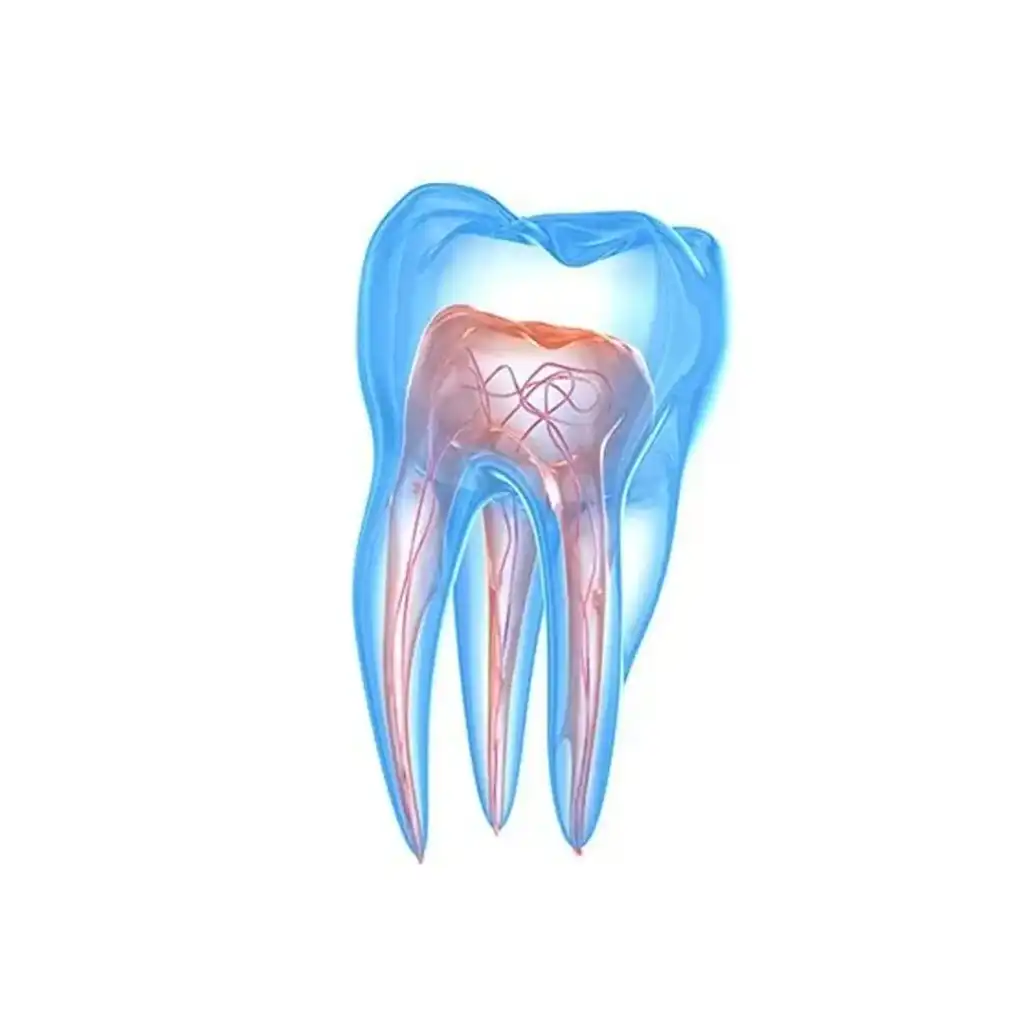
Root canal treatment (also called endodontics) is needed when the blood or nerve supply of the tooth (known as the pulp) is infected through decay or injury.

Why Choose Root Canal Therapy?

When tooth decay, deep cracks, or trauma reach the inner nerve and blood vessels (the dental pulp), it causes intense pain, inflammation, or abscess formation. Root canal therapy removes the infected or damaged tissue, disinfects the root canals, and seals the tooth completely, preventing extraction and allowing you to retain your natural chewing function.

Key Benefits of Root Canal Therapy:

With extensive hands-on training and a meticulous approach to function and aesthetics, Dr. Dhaliwal specializes in a wide array of advanced restorative and surgical procedures:

  • Painless & Efficient Treatment: Advanced rotary technology and modern local anesthesia ensure a comfortable, stress-free procedure.

  • Saves Your Natural Tooth: Eliminates the need for a tooth extraction, maintaining your natural dental arch and bite alignment.

  • Stops Infection & Pain: Immediately relieves severe toothache, sensitivity, and swelling caused by deep pulp inflammation or abscesses.

  • Long-Lasting Protection: Sealed securely and typically reinforced with a custom dental crown to restore full strength and aesthetics.

Why is a root canal treatment needed for a damaged tooth?
Root canal treatment is necessary when the blood or nerve supply inside a tooth (the pulp) becomes infected due to severe decay, cracks, or injury, relieving pain and saving the natural tooth.

Key Takeaways / Clinical Highlights

  • Required when bacteria infect the tooth pulp through decay or physical injury.
  • Relieves severe tooth pain and eliminates internal bacterial infections.
  • Preserves the natural tooth structure, avoiding the need for permanent extraction.
🛡️
Medically Reviewed Content
Reviewed by Dr. Avinash Chougule, Dental Surgeon, Implantologist
Last Fact-Checked: August 19, 2026

Frequently Asked Questions

Is a root canal a permanent fix, or can the infection return?
A successfully treated root canal can last a lifetime. However, reinfection can occur if the protective dental crown is delayed, cracks develop, or new decay breaches the restoration. Maintaining rigorous oral hygiene and attending regular dental check-ups ensure long-term success. Is a root canal a permanent fix, or can the infection return? A successfully treated...
How much time should I expect to spend in the dental chair for a root canal?
A standard root canal treatment typically takes about 45 to 90 minutes per tooth, depending on the complexity and location of the tooth (front teeth generally take less time than multi-rooted molars). While some cases can be completed in a single visit, others may require two appointments. How much time should I expect to spend...
What are the common signs and symptoms that indicate a root canal is necessary?
Common signs include severe, lingering tooth pain when chewing or applying pressure, prolonged sensitivity to hot or cold temperatures, spontaneous toothaches, swelling and tenderness in nearby gums, or darkening/discoloration of the tooth. What are the common signs and symptoms that indicate a root canal is necessary? Common signs include severe, lingering tooth pain when chewing...
Will I feel pain during or after a root canal procedure?
Modern root canal therapy is virtually painless. Utilizing advanced local anesthetics and modern rotary endodontics, the procedure is designed to remove the source of your pain (the infected nerve) rather than cause it. Most patients report feeling comfortable during the treatment, experiencing only mild, temporary sensitivity afterward as the area heals. Will I feel pain...